Warehouse building
Improving the energy efficiency of a warehouse building has become a top priority for businesses seeking to reduce operational costs and minimize environmental impact. Warehouses are often large structures with significant energy demands, particularly for lighting, heating, cooling, and ventilation. By adopting strategies to make a warehouse building energy efficient, companies can lower utility bills, enhance sustainability, and improve working conditions for employees. Understanding the key steps and best practices for energy efficiency is essential for both new constructions and existing facilities.
One of the first considerations in making a warehouse building energy efficient is optimizing natural lighting. Large open spaces in warehouses can benefit greatly from skylights, translucent panels, or strategically placed windows. By maximizing daylight, businesses can reduce reliance on artificial lighting during daytime hours. Energy-efficient lighting solutions, such as LED fixtures and motion sensors, complement natural light to further reduce electricity consumption. These measures not only lower energy costs but also create a safer and more comfortable environment for warehouse staff.
Insulation plays a crucial role in improving the energy efficiency of a warehouse building. Proper insulation in walls, roofs, and doors helps maintain a consistent internal temperature, reducing the need for heating in winter and cooling in summer. Materials such as insulated panels, reflective roofing, and vapor barriers can significantly minimize heat transfer, making climate control systems more effective. A well-insulated warehouse also reduces energy waste, leading to long-term cost savings and increased sustainability.
The HVAC system is a major contributor to energy use in a warehouse building, so upgrading to energy-efficient heating, ventilation, and air conditioning equipment is essential. Modern HVAC systems are designed to provide optimal performance with lower energy consumption. Zoning systems, programmable thermostats, and regular maintenance ensure that energy is only used where and when it is needed. By maintaining efficient HVAC systems, businesses can improve air quality, reduce energy bills, and extend the lifespan of their equipment.
Implementing energy-efficient doors and loading systems is another strategy to enhance a warehouse building’s performance. High-speed roll-up doors, insulated doors, and automatic closers reduce air exchange between indoor and outdoor environments. This minimizes heat loss or gain, keeping internal temperatures stable and reducing energy demand. Properly sealed doors and dock areas also prevent drafts, moisture infiltration, and contamination, further contributing to energy efficiency and operational effectiveness.
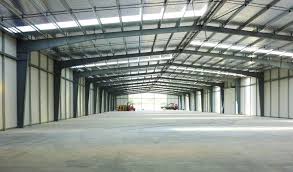
How to make a warehouse building energy efficient?
Roof design and materials can significantly impact the energy efficiency of a warehouse building. Reflective or light-colored roofing materials reduce heat absorption, keeping the interior cooler during hot months. Green roofs, or rooftop gardens, provide natural insulation and reduce heat transfer. Additionally, incorporating solar panels on the roof allows the warehouse to generate renewable energy, offsetting electricity consumption and lowering operational costs. The combination of reflective materials and renewable energy sources enhances the warehouse’s overall energy performance.
Energy-efficient equipment and operational practices also contribute to a warehouse building’s sustainability. Upgrading to energy-efficient forklifts, conveyors, and refrigeration units reduces electricity consumption. Smart energy management systems can monitor usage, detect inefficiencies, and provide actionable data for optimization. Scheduling operations during off-peak hours, turning off unused equipment, and implementing employee awareness programs all help to conserve energy and reduce unnecessary waste.
Water management can also play a role in improving the energy efficiency of a warehouse building. Using energy-efficient pumps, water recycling systems, and low-flow fixtures reduces the energy needed for water heating and distribution. Properly maintaining drainage and irrigation systems prevents water-related issues that could compromise insulation or HVAC efficiency. Integrating water and energy efficiency measures ensures that the warehouse operates sustainably across multiple dimensions.
Regular maintenance and monitoring are essential for sustaining the energy efficiency of a warehouse building. Inspecting insulation, HVAC systems, lighting, doors, and roofing on a scheduled basis prevents small issues from escalating into energy-wasting problems. Keeping equipment in optimal condition ensures maximum efficiency and longevity. By implementing a proactive maintenance plan, businesses can maintain energy savings over the long term and reduce the risk of costly repairs or downtime.
In conclusion, making a warehouse building energy efficient requires a combination of strategic design, high-quality materials, and operational best practices. From maximizing natural lighting and improving insulation to upgrading HVAC systems, doors, and equipment, every aspect of the warehouse can be optimized to reduce energy consumption. Incorporating renewable energy solutions, reflective roofing, and water-efficient systems further enhances sustainability. Regular maintenance and monitoring ensure that energy efficiency gains are maintained over time. By investing in these measures, businesses can achieve lower energy costs, improved operational efficiency, and a reduced environmental footprint, making their warehouse building a model of modern, sustainable design.
